 An official U.S. government website Here's how you know



NCPC's Submission Guidelines describe the Commission's statutory authority, the content of submissions, submission stages, and the overall coordination and review process of NCPC's project review. Agencies that are subject to plan and project review must submit development proposals in accordance with the process laid out in the Guidelines.

Overview Process
NCPC’s Submission Guidelines are critical to the Commission’s ability to carry out its congressionally mandated planning and review authorities.

Site, Building, and Parks
These encompass the types of projects most often submitted to NCPC for review.
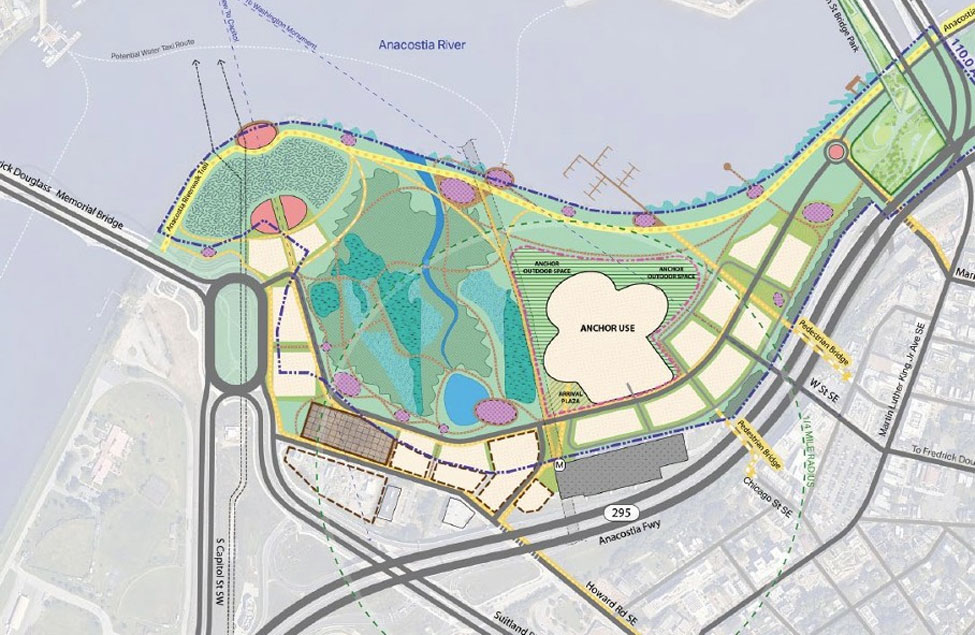
Master Plans
A master plan is a comprehensive development proposal for federal installations or campuses on which more than one building, structure, or activity.

Commemorative Works
NCPC’s review focusses on site planning and development implications.
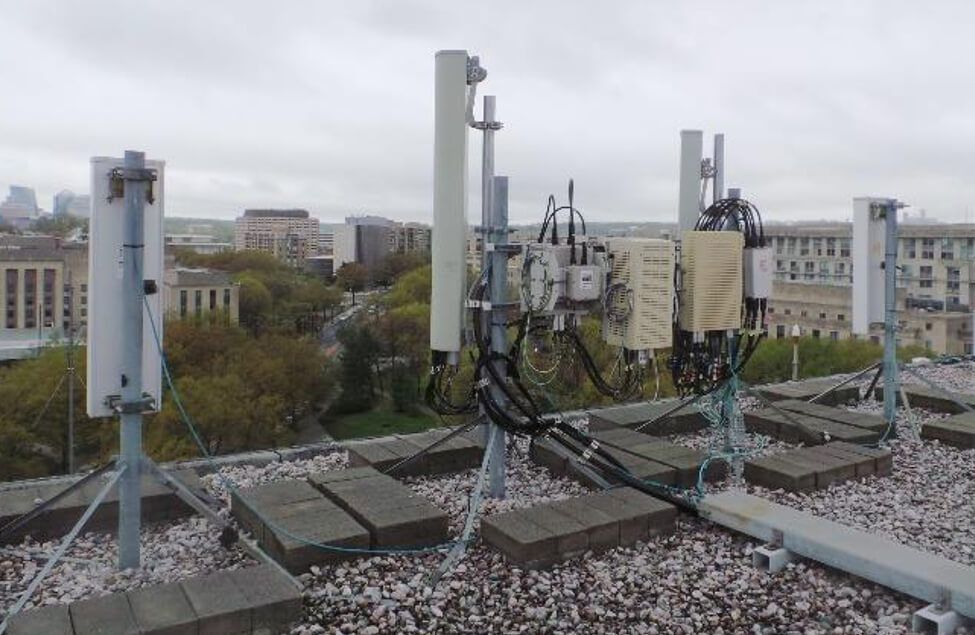
Antennas
The Commission reviews three categories of antennas: permanent, temporary, and those associated with small cell infrastructure.
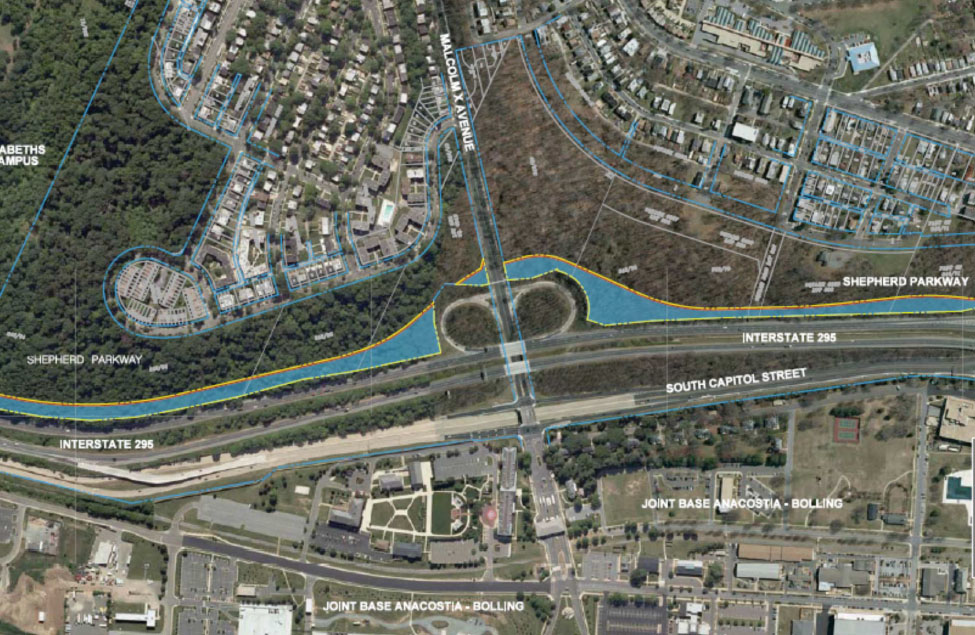
Transfers of Jurisdiction
A transfer of jurisdiction occurs where one agency retains the underlying property ownership, but transfers the maintenance and care of the property to another public agency.
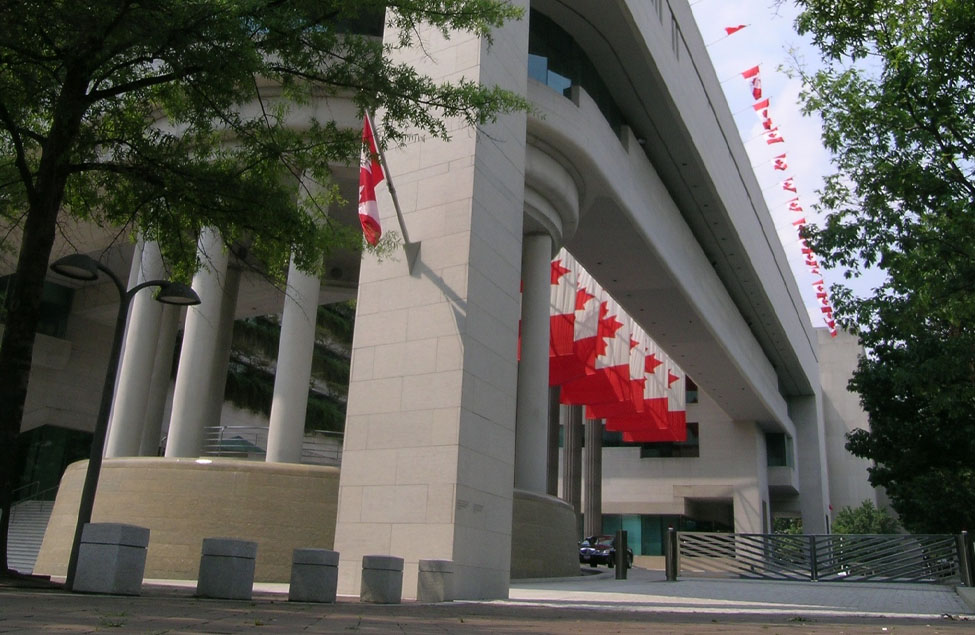
Foreign Missions
NCPC reviews chanceries within two locations in the District: the International Chancery Center and the Foreign Missions Center.

Exceptions and Project Changes
Staff may determine that a project is exempt from Commission review based on the several criteria.

Appendices
Appendix listings for Acronyms, Glossary and Endnotes.

Submission Guidelines Full Document
NCPC’s Submission Guidelines are critical to the Commission’s ability to carry out its congressionally mandated planning and review authorities.

