 An official U.S. government website


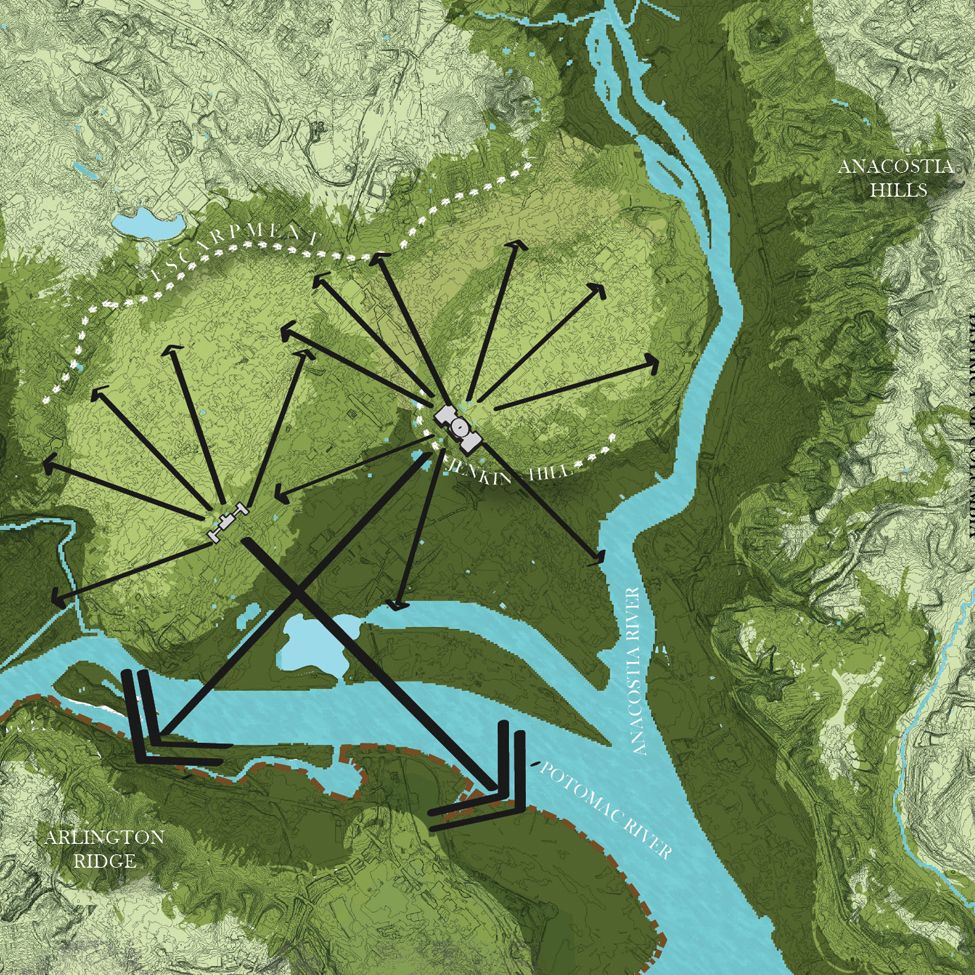
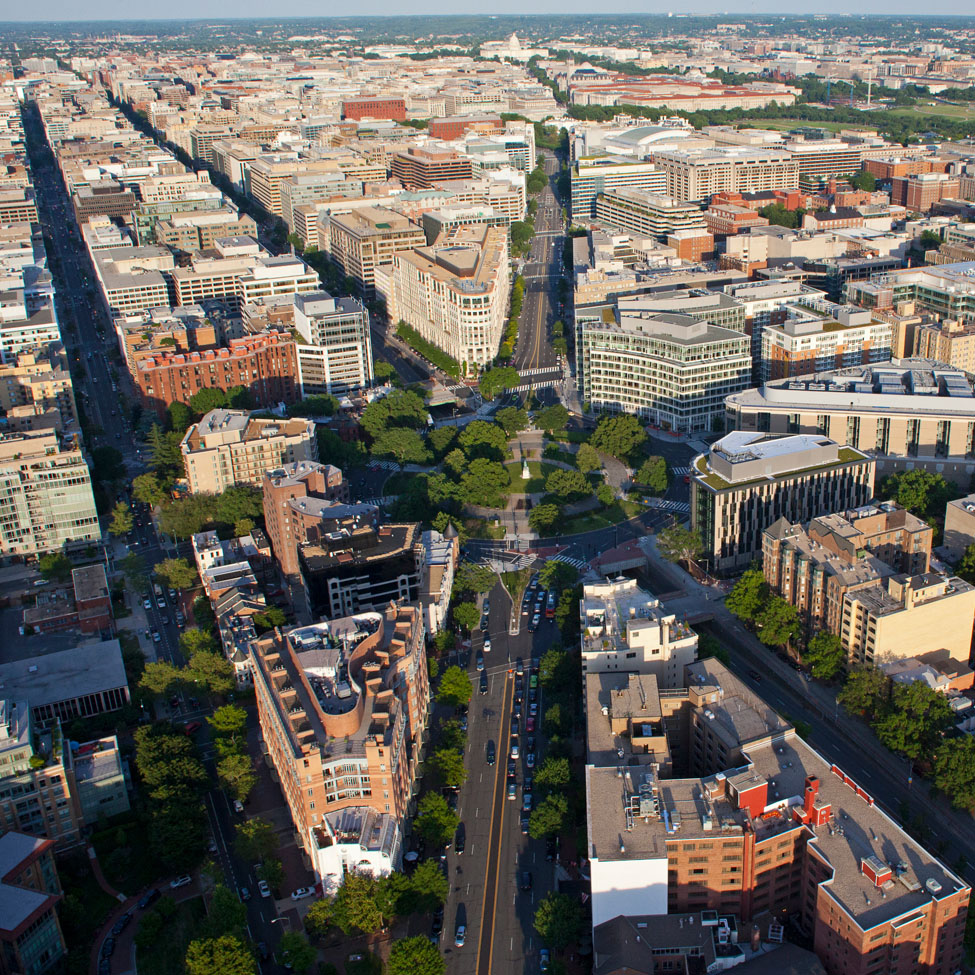
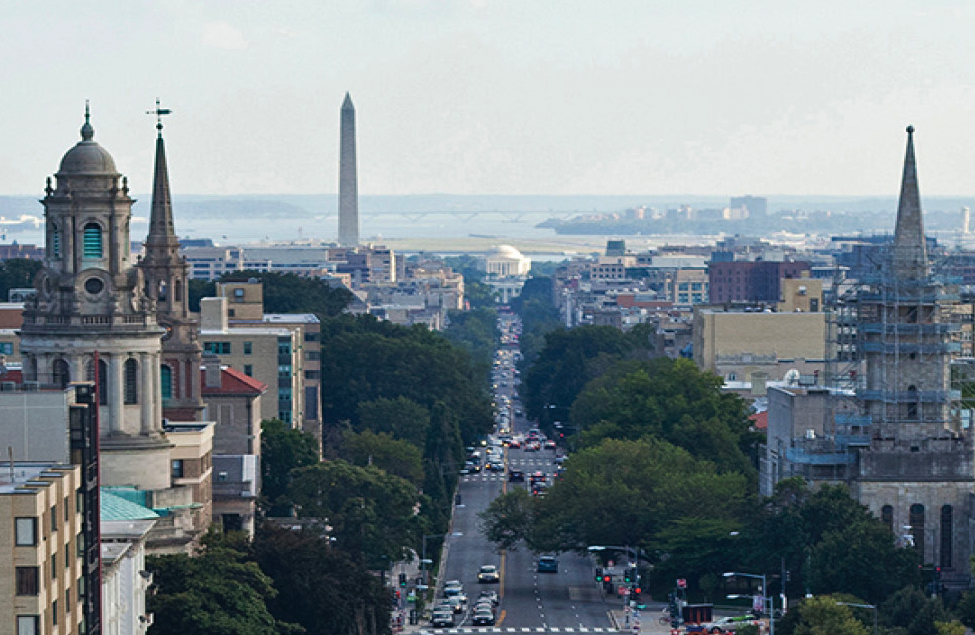
The Urban Design Element addresses contributions of major plans: The L'Enfant Plan integrates natural geography to create a framework of vistas and axial streets.
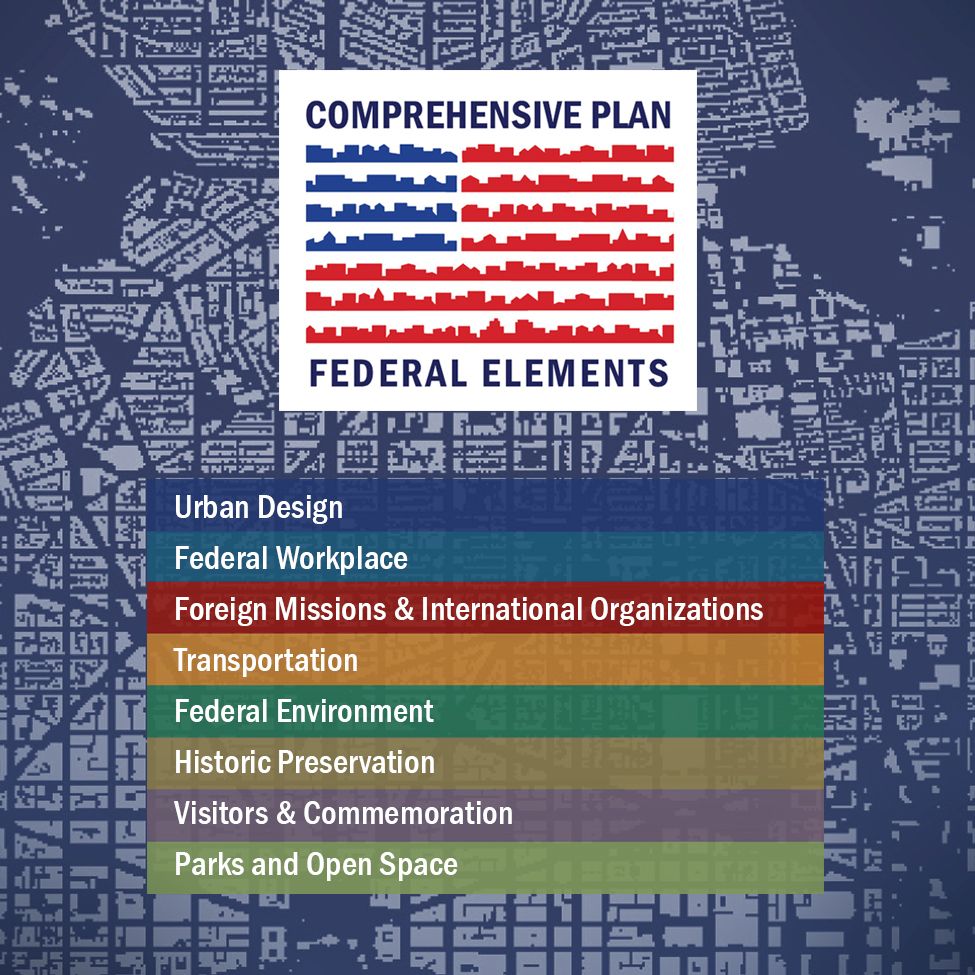
The Federal Elements and the District Elements work together to form the complete Comprehensive Plan.
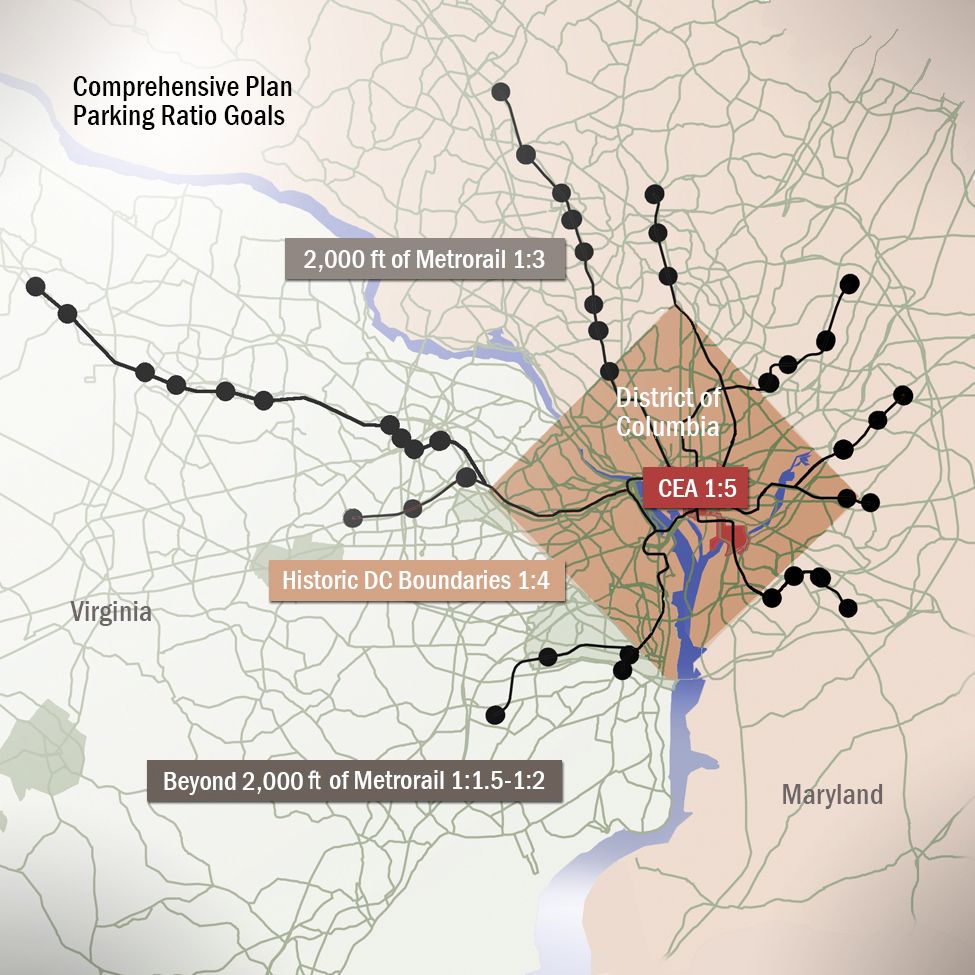
The Transportation Element's parking ratio (parking spaces : employees) reflects the relationship between transit locations and federal workplaces.
Background and Context
Section 4(a) of the National Capital Planning Act of 1952 requires that NCPC prepare and adopt a “comprehensive, consistent, and coordinated plan for the national capital.” The Comprehensive Plan's Federal Elements are the blueprint for the long-term development of the national capital and are the decision-making framework for Commission actions on plans, proposals, and policies submitted for its review. The Federal Elements are shaped by three guiding principles: accommodate federal and national capital activities; reinforce smart growth and sustainable development planning principles; and support local and regional planning and development.
Key Information
- Federal Elements Prepared by:
National Capital Planning Commission
- Adopted: January, 2026
- Effective: February, 2026
Download Federal Elements
Current
On January 8, 2026, the Commission adopted revisions to the Introduction Chapter of the Comprehensive Plan.
Federal Elements
Introduction
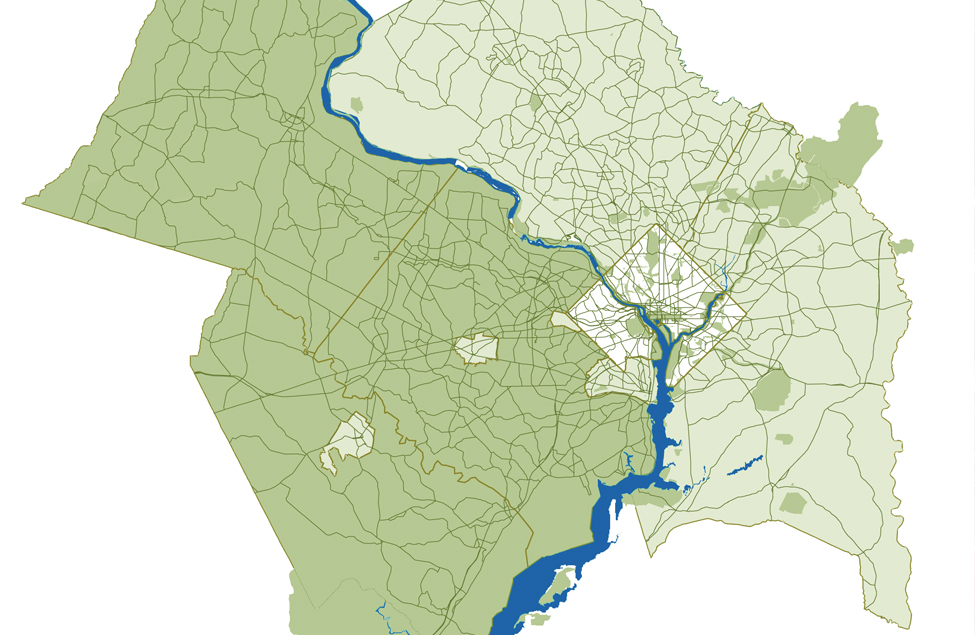
Overview of the Comprehensive Plan's vision and guiding principles, roles and responsibilities, and the capital's planning legacy.
- Adopted: January 8, 2026
- Effective: February 12, 2026
Action Plan
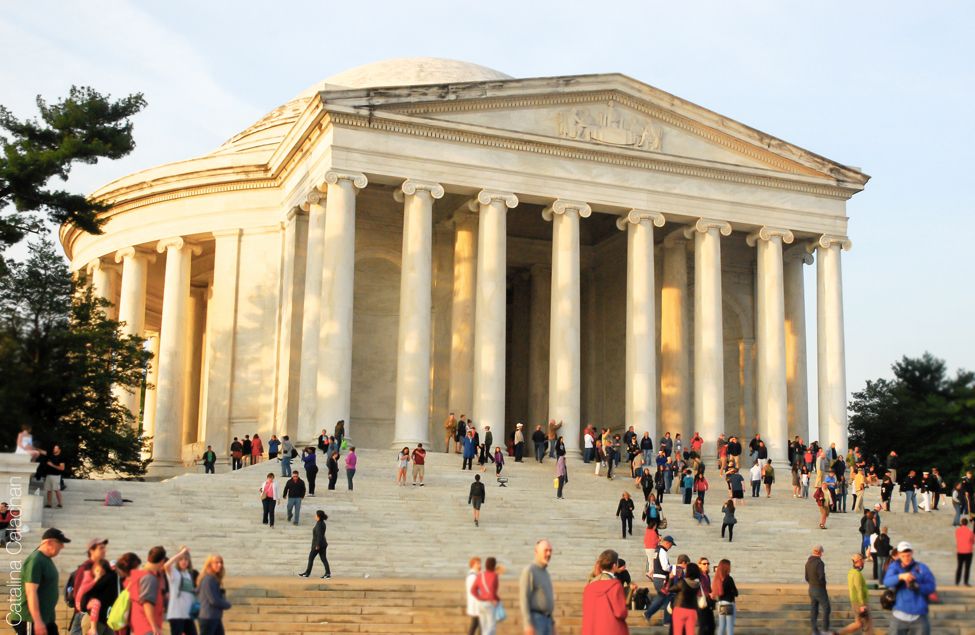
Specific projects to advance the plan's vision, implement policies, and guide future growth and development.
Urban Design
Promote quality design and development, and reinforce the region's unique role as the nation's capital. Create a welcoming and livable environment for people.
Urban Design Technical Addendum
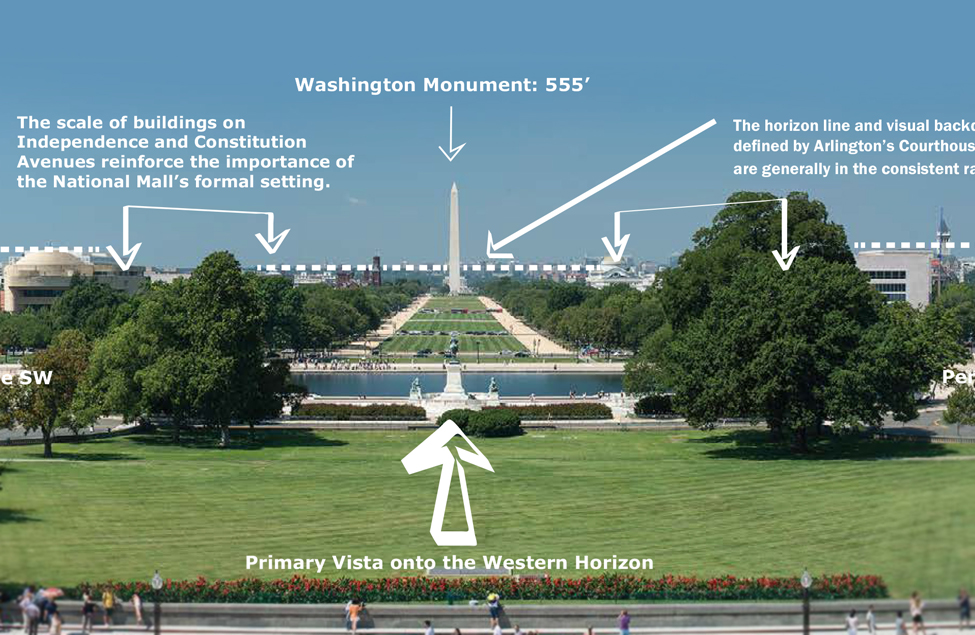
Support policies within the Urban Design Element, including background, planning approaches, and explanatory graphics.
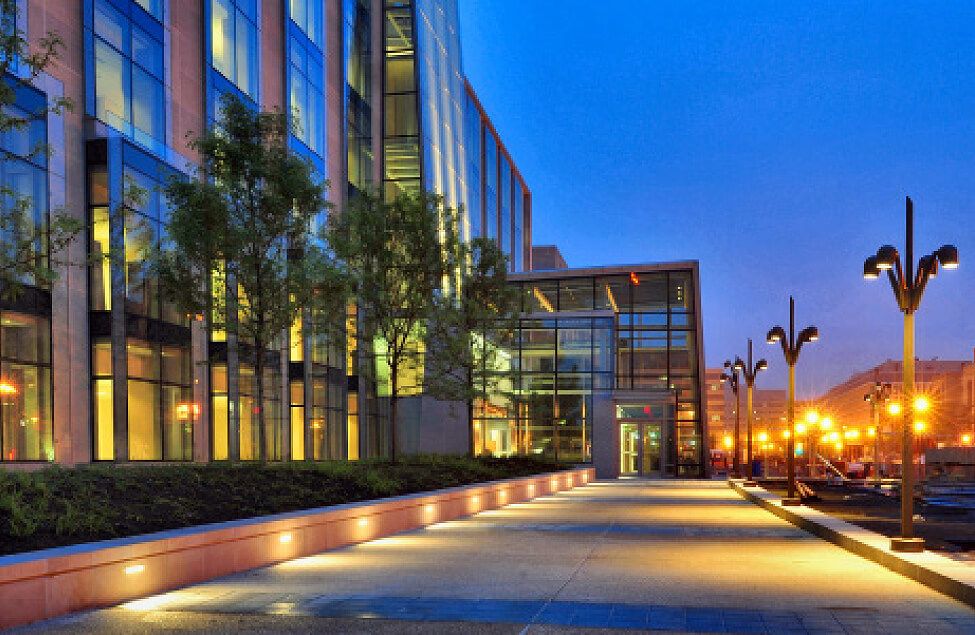
Federal Workplace
Emphasize Washington as the seat of the federal government; efficiently plan for the location and locate federal workplaces so they contribute to the National Capital Region’s economic well-being; promote resource protection in development and operations of resource; and provide sustainable and healthy work environments.
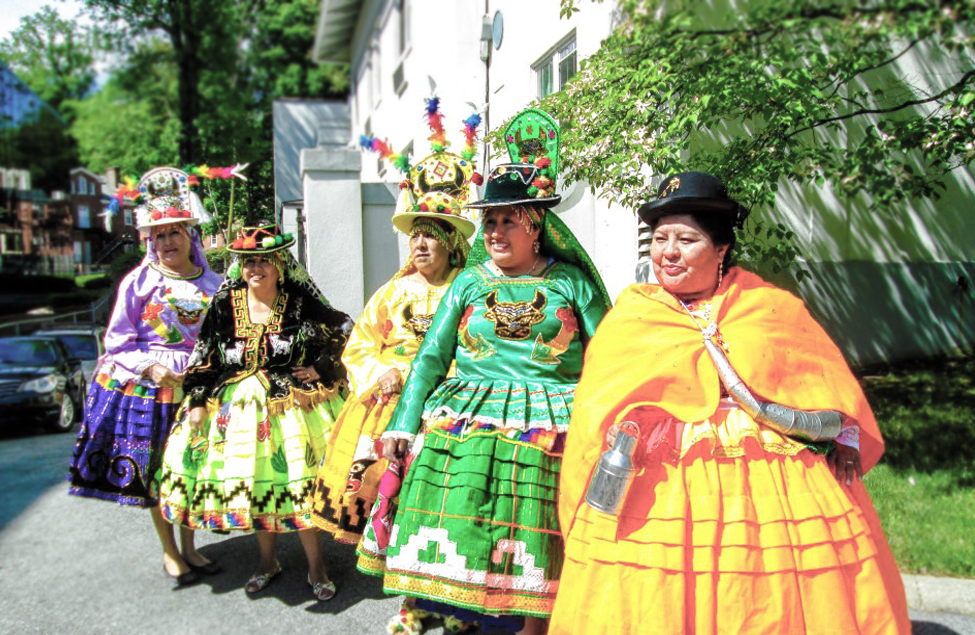
Foreign Missions & International Organizations
Plan a secure and welcoming environment for the location of diplomatic and international activities in Washington, DC while remaining sensitive to the character and use patterns of the city's neighborhoods.
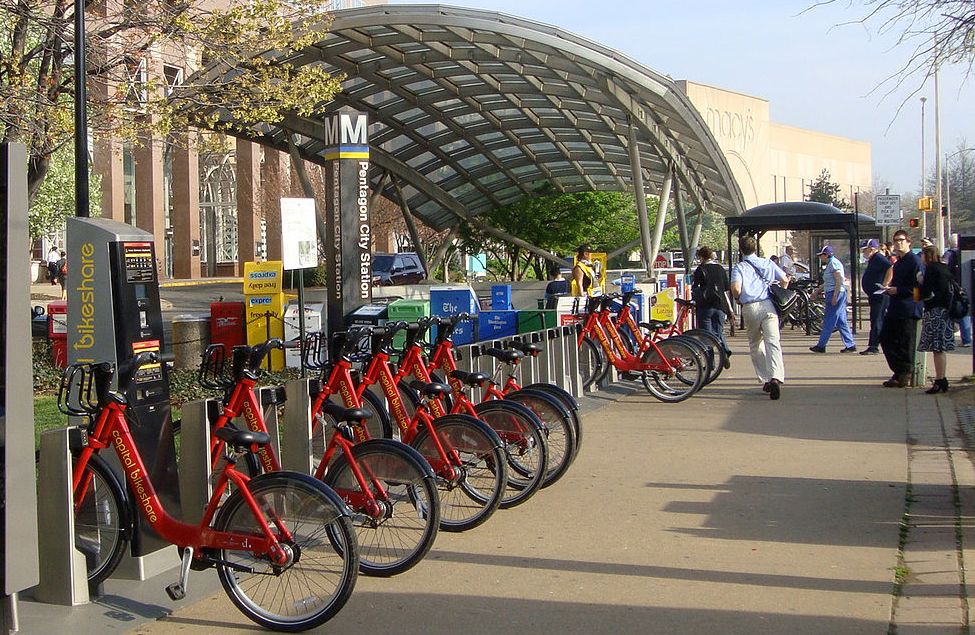
Transportation
Support the development of a multi-modal transportation system that meets the needs of federal workers, residents, and visitors while improving regional mobility, and transportation access.
- Adopted: July 9, 2020
- Effective: September 14, 2020
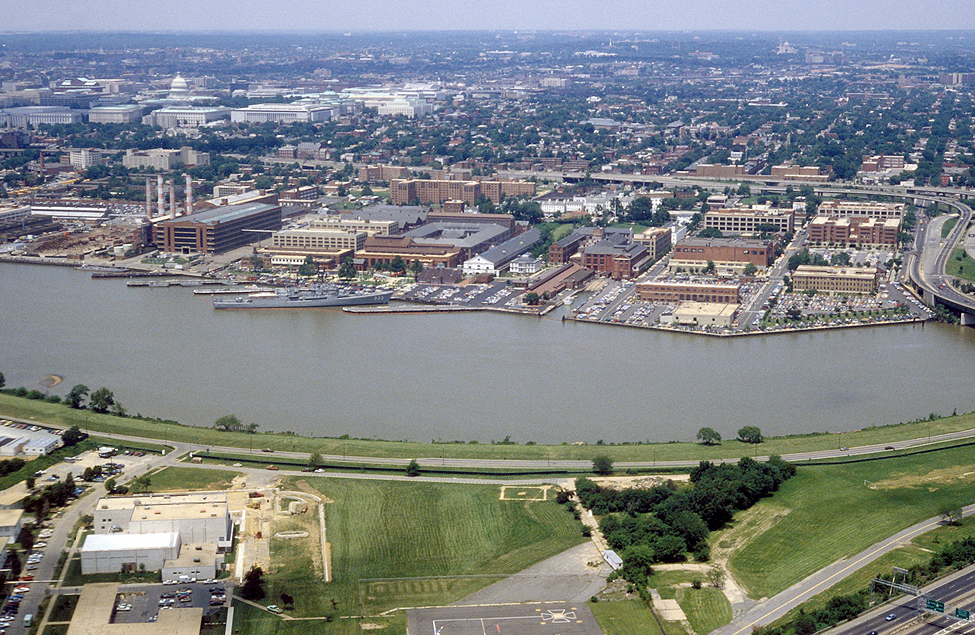
Federal Environment
Preserve and enhance the quality of the region's natural resources to ensure that their benefits are available for future generations to enjoy. The element’s Tree Replacement Policy within Section G was updated with a focus on the preservation of existing trees (especially large stands of trees); procedures to replace trees when they are removed; and a goal to prevent a net loss of trees.
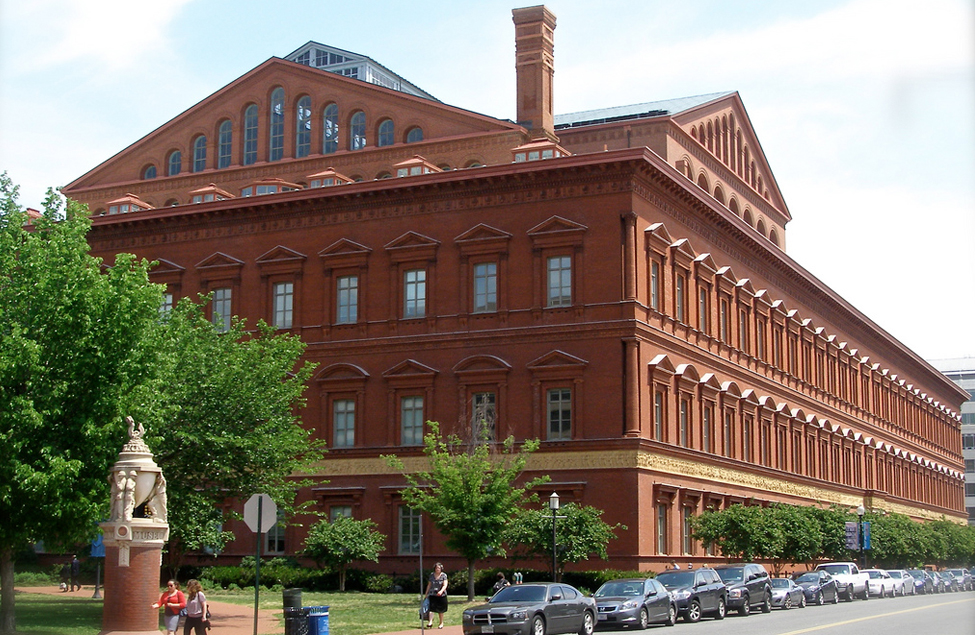
Historic Preservation
Preserve, protect, and rehabilitate historic properties and promote design and development that is respectful of the guiding principles of historic plans and the symbolic character of the capital's setting.
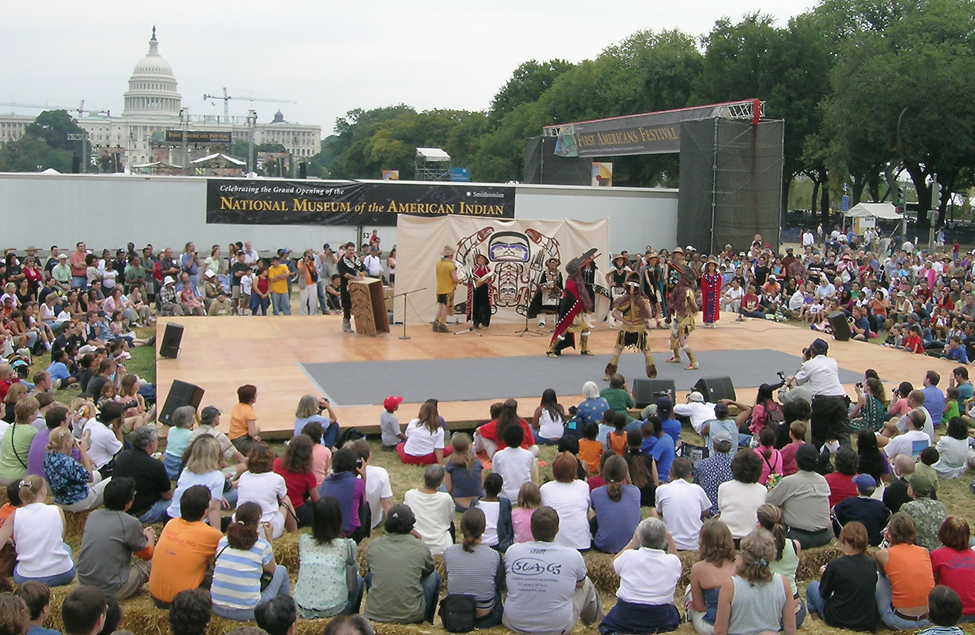
Visitors & Commemoration
Provide a positive and memorable experience for all visitors in a way that showcases the institutions of American culture and democracy, supports planning goals, and enhances visitor activities.
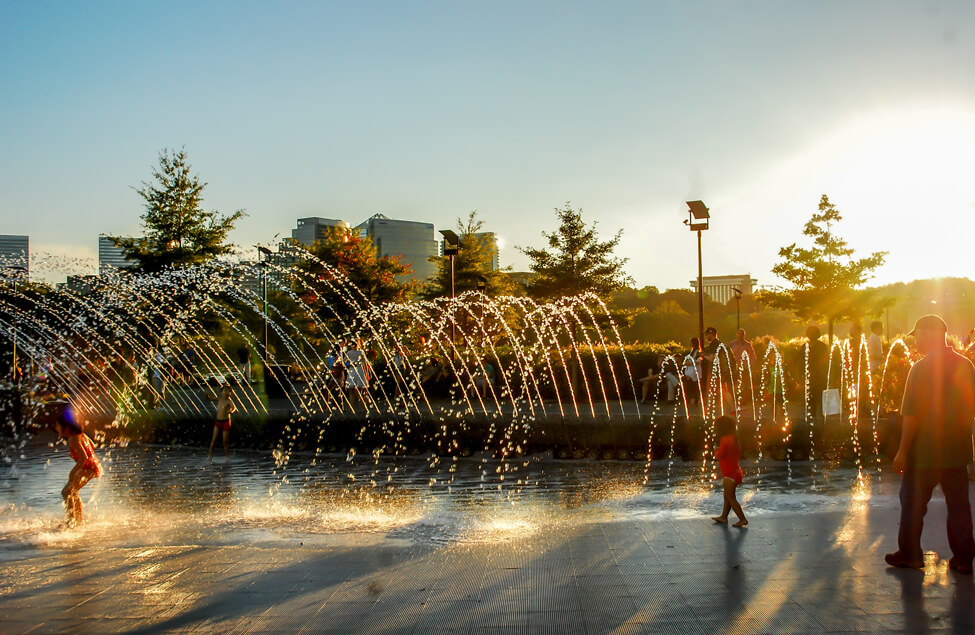
Parks & Open Space
Protect and enhance the region’s parks and open spaces–for recreation; as commemorative and symbolic space; as social, civic, and celebratory space; and to provide environmental and educational benefits.
- Adopted: December 6, 2018
- Effective: February 15, 2019

