 An official U.S. government website


- By Carlton Hart
- September 02, 2020
Antennas, Antennas Everywhere
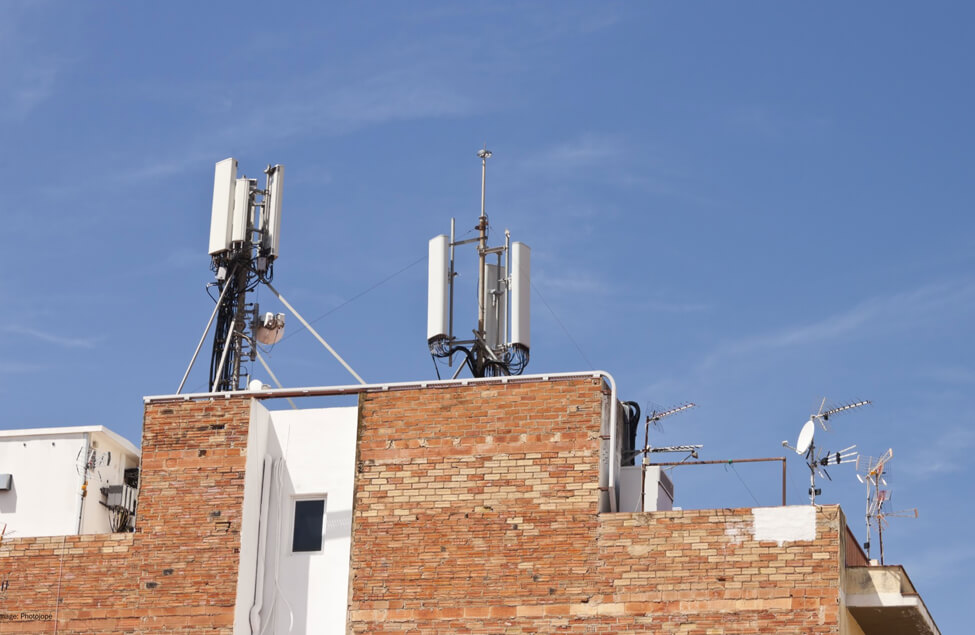
What were you doing in 2001? Back then - the last time NCPC updated its antenna submission guidelines - the United States had 109 million mobile phones. Today, there are more than 300 million in use. The proliferation and use of smart phones, tablets, and GPS devices have increased the demand for cellular antennas. The forthcoming introduction of 5G (the 5th generation of technology) nationwide will further increase the use of and reliance on cellular networks.
NCPC proposes to update its Antenna Submission Guidelines to address this demand and its impact on federal facilities, and the desire of private sector cellular companies to install antennas on the rooftops of federal buildings or on federal properties to provide coverage in high demand areas, such as downtown Washington, DC. This update addresses several deficiencies in the current guidelines by adding definitions for small cells and temporary antennas, including new criteria to help protect viewsheds and address multiple antennas on building rooftops, and identifying the review process for temporary antennas and small cell antennas.
The existing guidelines do not differentiate between antenna types and therefore all antennas, regardless of how long they would be in place, were treated as if they were permanent. Since some antennas are only in place for a short period, they have limited impacts and could be installed and removed before the Commission could review them. Small cells, which are lower-powered antennas that supplement existing roof mounted equipment and larger cell towers, needed to be defined and included as well since they are expected to be deployed on local District streets, which are under the purview of the District Department of Transportation.
Viewshed protection is an important aspect of NCPC’s review process, and these updated guidelines will strengthen this by recommending protection of preeminent viewsheds and addressing the issue of multiple unsightly antennas on building rooftops.
NCPC’s review of antenna submissions was also addressed in several ways: by describing small cell review by the District Department of Transportation; determining temporary antennas need not be submitted for review; and making minor changes to the permanent review process.
NCPC released the draft guidelines on July 9, 2020 for a 60-day public comment period that runs through September 14, 2020. Following the public comment period, NCPC staff will address the submitted comments, potentially make changes to the draft guidelines, and bring the final antenna guidelines to the Commission for approval in the fall of 2020. On August 4, as part of the public comment period, the agency held a virtual meeting to discuss the draft antenna guidelines. The hour-long session was well attended, with nearly 40 people watching.
Initiative Page

